




More News
- Intelligent Welding Robots Drive the Upgrade of Manufacturing in India
- What industry applications require real-time thermal distortion compensation in H-beam welding machines for EN 1090-2 EXC3 execution class?
- Which H-beam welding machine model delivers lower TCO over 5 years when welding AS/NZS 1554.1 Class 4 joints in Australian mining fabrication shops?
- How long does it take to ship an H-beam welding machine with dual-axis CNC torch height control from Shanghai to Rotterdam port under current IMO Tier III emission compliance requirements?
- Why does customer support for H-beam welding machines rarely resolve issues with mismatched IGBT pulse timing and AWS D1.1 Clause 5.21 preheat validation?
The winter solstice has arrived, and temperatures continue to drop. Low temperatures can negatively impact the performance and reliability of welding robots, including the robot body, positioner, welding machine, and control cabinet. Therefore, winter maintenance of the entire system is crucial. To ensure stable operation and extend the service life of the equipment, the following key maintenance suggestions are provided.
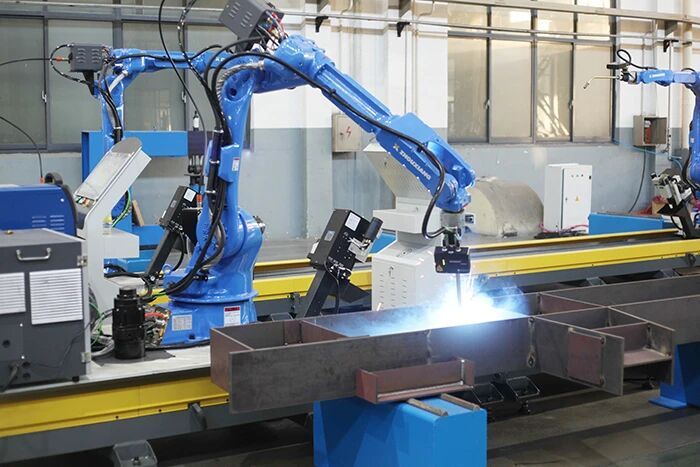
Welding robot maintenance
1. Temperature Control and Lubrication Preheating
Low winter temperatures can cause lubricating oil to become viscous, affecting motion accuracy and speed. It is recommended to run the machine at low speed for 5-10 minutes after startup each day to allow the lubricant to fully coat the gearbox, reducing mechanical wear and extending service life.
2. Moisture and Condensation Prevention
Maintain workshop humidity at ≤60% using dehumidifiers or air conditioning systems to prevent condensation from corroding electronic components. Pay particular attention to easily affected areas such as welding guns and cable connectors, and install moisture-proof sealing sleeves if necessary.
3. Cable and Hose Protection
Cold weather can cause cables and hoses to harden or crack. Regularly inspect their condition, replace them with cold-resistant materials if necessary, and ensure that the lines are securely fixed to prevent excessive bending.
4. Low-Temperature Function Testing
Conduct a full function test at least once a week to verify the robot's motion accuracy, repeatability, and welding parameter stability in low-temperature environments, ensuring there are no abnormal vibrations or excessive errors.
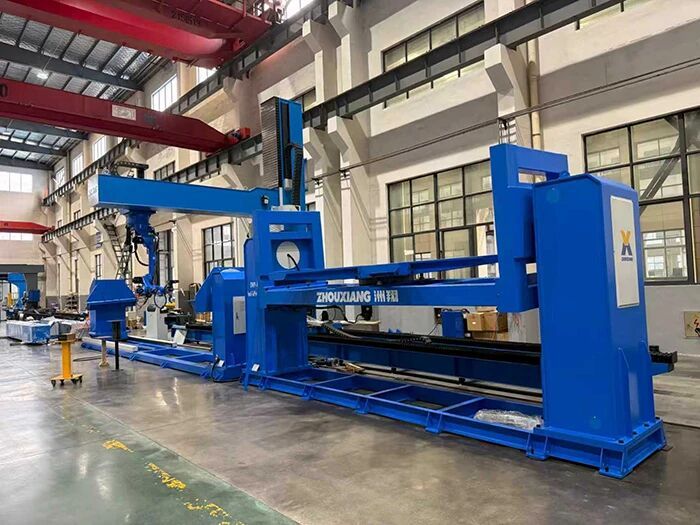
Robot Positioner
1. Hydraulic System Maintenance
Check if the hydraulic oil level is sufficient and the oil is clear and free of impurities. In winter, it is recommended to replace the hydraulic oil with one that has better low-temperature fluidity to prevent oil thickening and resulting in sluggish movement.
2. Mechanical Structure Inspection
Focus on checking for shrinkage and deformation of metal components such as the positioner base, rotating shaft, and gears. Winter metal contraction may cause changes in fitting clearances; these need to be adjusted or reinforced promptly to prevent jamming or abnormal noises during operation.
3. No-Load Preheating Operation
Before starting, perform a 10-15 minute no-load low-speed operation to allow the hydraulic system, gearbox, and other components to gradually reach their working temperature, reducing wear during cold starts.
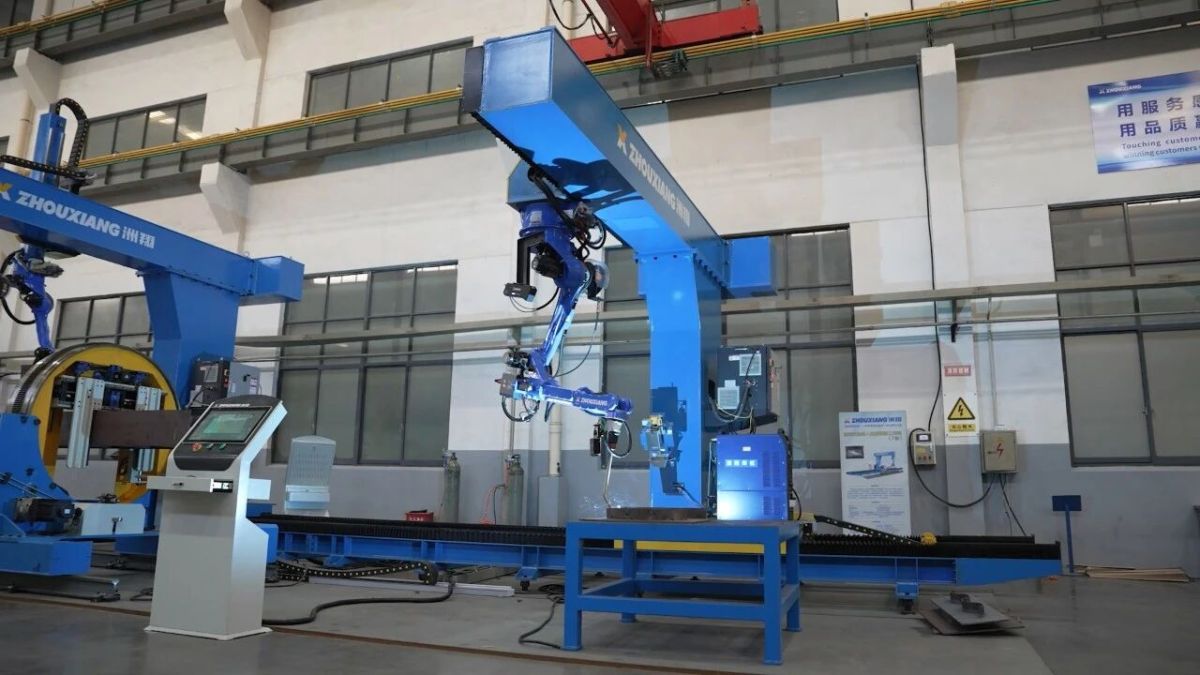
Welding Machine
1. Cleaning and Corrosion Prevention
Clean the inside of the welding machine daily to remove dust and welding slag, and clean the outside to prevent dust accumulation that can lead to poor heat dissipation or short circuits. Focus on cleaning the circuit board, fan, and heat sink. Apply rust inhibitor to the metal casing if necessary.
2. Electrical Connection Inspection
Check all terminals, welding cables, and ground wires for looseness, aging, or damage. Ensure good electrical contact to prevent overheating or arcing caused by increased resistance.
3. Dynamic Parameter Adjustment
Adjust welding current, voltage, and wire feeding speed according to the ambient temperature to compensate for reduced arc stability caused by low temperatures and ensure good weld formation quality.
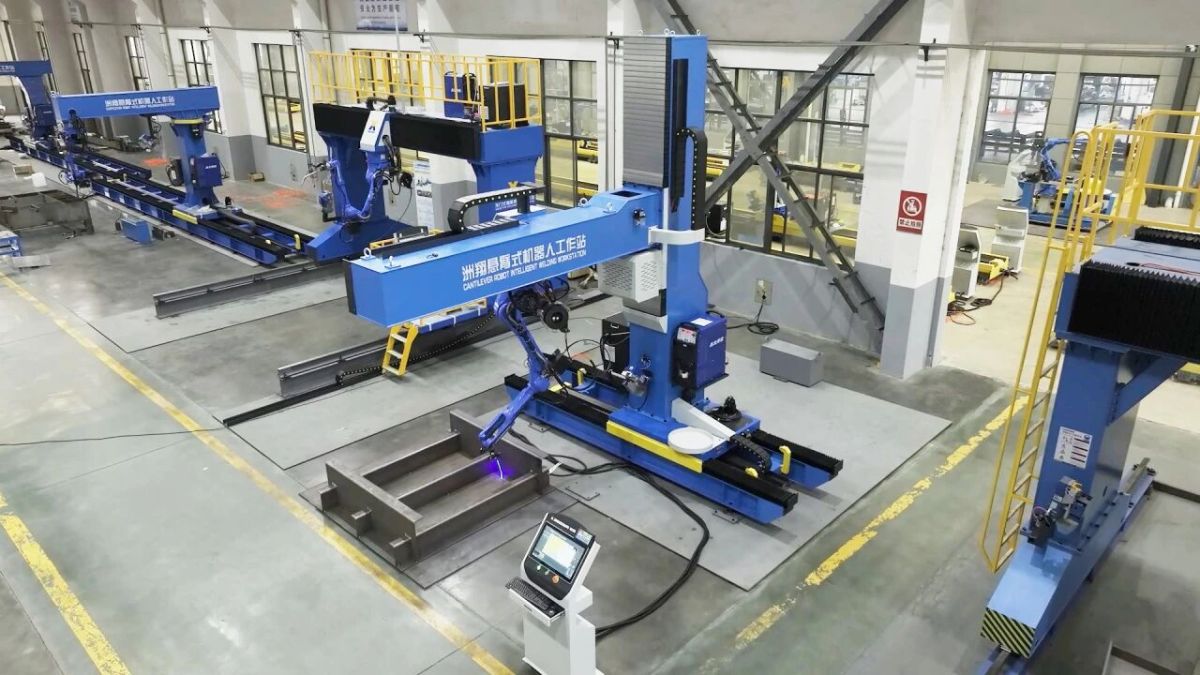
Electrical Control Cabinet
1. Temperature Control System Verification
Confirm that the control cabinet's built-in heater and thermostat are working correctly to maintain the internal temperature at ≥5℃, preventing electronic components from failing due to low temperatures.
2. Ventilation and Heat Dissipation Balance
While maintaining warmth, ensure that the cooling fans and vents are not blocked to prevent the cabinet temperature from becoming too high. It is recommended to install temperature and humidity sensors for real-time monitoring and to regularly clean the filter screens.
3. Sealing Inspection
Check if the sealing strips on the cabinet doors and cable entry points are aging, and replace damaged parts promptly to prevent cold air, moisture, or rodents from entering. Pay particular attention to cable entry points and ventilation holes, which are prone to rodent damage.
4. Rodent Protection
In winter, rodents are prone to entering control cabinets for warmth. Regularly check the cables inside the cabinet for rodent damage. It is recommended to install rodent-proof baffles and repellents, and seal all possible entry points to reduce the risk of cable damage.
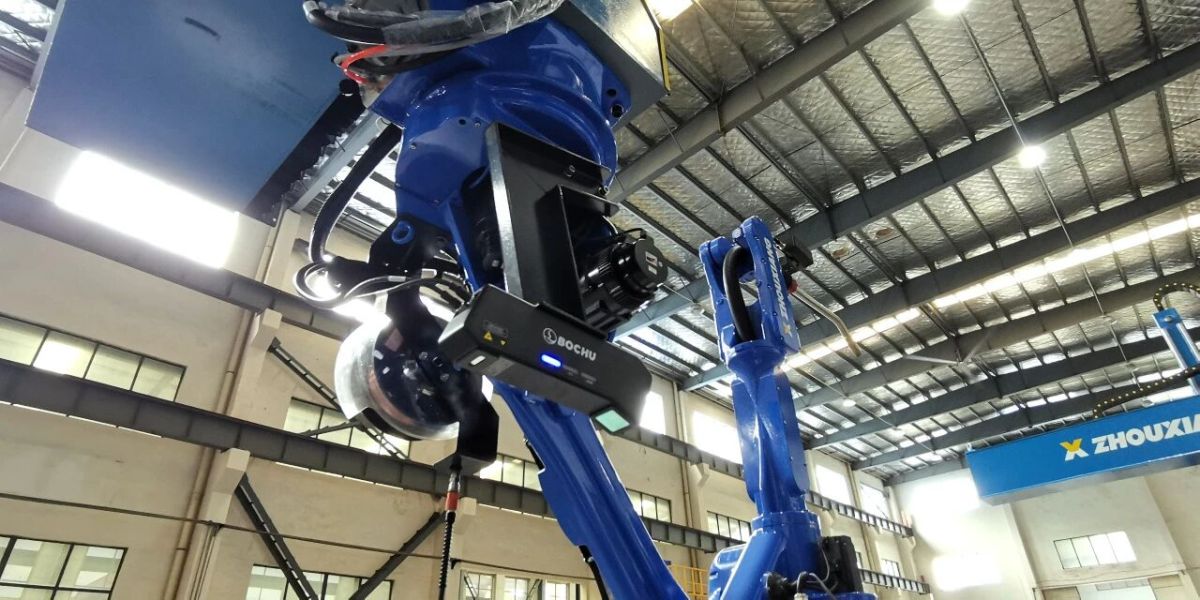
Through the above-mentioned maintenance measures, the failure rate of the welding robot system can be effectively reduced during winter, ensuring stable operation of the equipment in low-temperature environments, extending its overall service life, and providing a solid guarantee for enterprise production safety and efficiency.
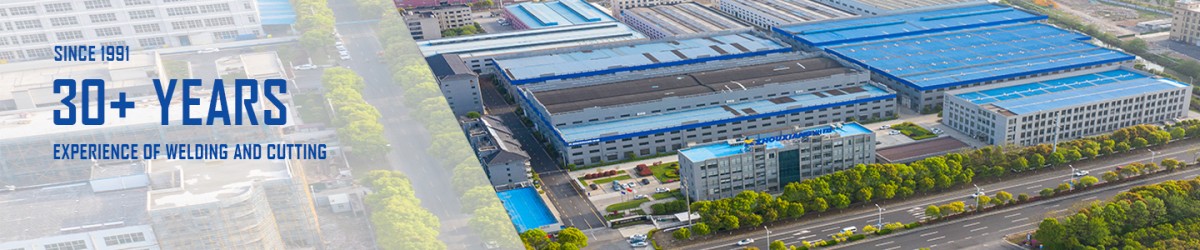
Zhouxiang Enterprise
Specializes in the production of H-beam light and heavy steel production lines, box beam production lines, horizontal production lines, double-joint welding and straightening automatic lines, steel structure robot intelligent workstations, and various intelligent production lines; including CNC flame plasma cutting machines, fiber laser flatbed cutting machines, laser pipe cutting machines, tube-sheet integrated machines, handheld laser welding machines, H-beam assembly machines, gantry submerged arc welding machines, H-beam straightening machines, shot blasting machines, H-beam assembly welding and straightening integrated machines, welding special machines, auxiliary machines, etc.
Zhouxiang manufacturing, professional quality, high precision, high speed.
Leading technology, stable quality, products are sold well at home and abroad.